
Nursing Home Abuse Attorney in Fort Myers: What Families Need to Know
Learn how Florida law addresses nursing home abuse, warning signs to document, who may be responsible, possible compensation, and steps families can take now.
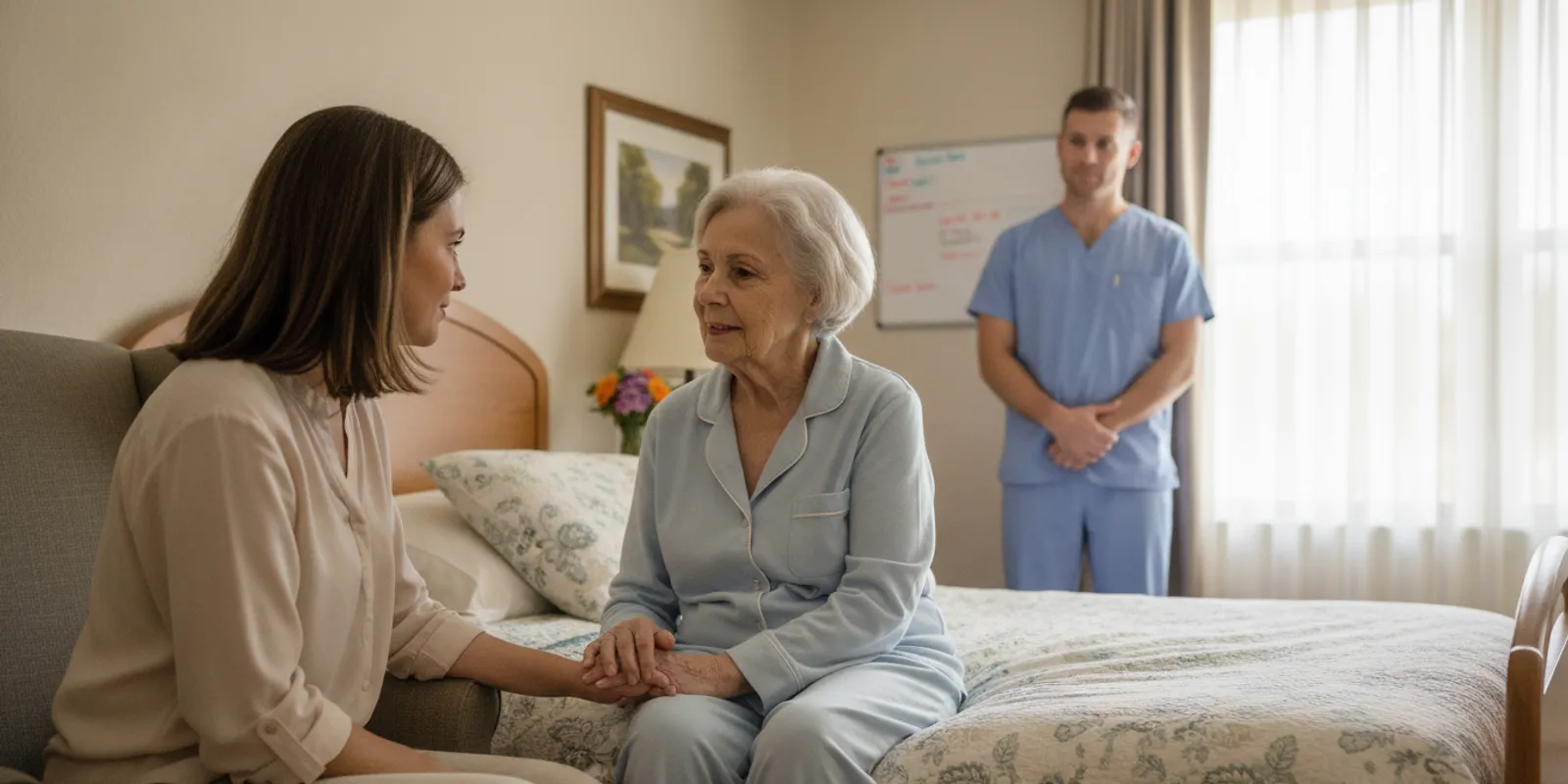
If you searched for “nursing home abuse attorney fort myers,” you may be worried that a loved one is being harmed or neglected in a care facility. It can be hard to know what to do first. A lawyer can help your family understand its options, but you can take practical steps now to protect the resident and preserve information. This guide explains how Florida law addresses nursing home abuse, common warning signs, possible responsible parties, and what to expect when seeking legal help.
Request a Free Case Evaluation
Every situation is different. A change in health or behavior does not automatically prove abuse, and legal claims depend on the facts and applicable deadlines. If there is immediate danger, contact emergency services or the appropriate authorities first. For broader information about injury claims in Florida, see our Florida personal injury practice area.
What Counts as Nursing Home Abuse or Neglect Under Florida Law?
Abuse generally means an intentional act, or threat of an act, that causes or is likely to cause harm to a resident. Neglect involves failing to provide the care, supervision, or services needed to maintain a resident’s health and safety. Exploitation can include improper use of a resident’s money, property, or personal resources. The details matter: a single unexplained injury, a recurring care failure, and a deliberate misuse of funds may call for different kinds of investigation.
Florida’s nursing-home laws include resident protections and facility duties in Part II of Chapter 400 of the Florida Statutes. The Florida Legislature maintains the state statutes through its official website; families can use it to review current statutory language. A potential civil case may also involve negligence principles, facility policies, medical records, and the specific care plan. Not every poor outcome or medical complication means the facility violated the law.
Examples of conduct that may warrant closer attention include:
- Physical or emotional abuse: hitting, rough handling, threats, humiliation, or other conduct that harms or frightens a resident.
- Care-related neglect: missed assistance with meals, hydration, hygiene, mobility, medication, or supervision that a resident needs.
- Unsafe conditions: failing to address a known hazard or leaving a resident without appropriate help, potentially leading to falls or other injuries.
- Financial exploitation: taking or misusing a resident’s funds or belongings without proper authority.
For a fall or injury connected to unsafe property conditions, our page on premises liability claims explains a related area of law. A nursing home matter may involve more than one legal theory, so families should avoid deciding that a particular label applies before the facts are reviewed.
It can help to separate three questions: what happened to the resident, what care was supposed to be provided, and what the facility knew about any risk. For example, a fall may prompt questions about the resident’s mobility needs, whether assistance was part of the care plan, and whether staff knew the resident needed help getting up. A missed medication raises different questions about the medication schedule, documentation, and any resulting change in health. These are issues to investigate, not conclusions to reach from one observation.
Warning Signs of Nursing Home Abuse
Warning signs can be physical, emotional, financial, or connected to changes in care. One sign alone may have an innocent explanation. Patterns, conflicting explanations, or a noticeable change from the resident’s usual condition deserve prompt attention.
- Bruises, cuts, burns, fractures, or other injuries that are unexplained or repeatedly occur.
- New or worsening bedsores, poor hygiene, soiled clothing, dehydration, or significant weight changes.
- Sudden fearfulness, withdrawal, agitation, depression, or reluctance to speak in front of particular staff members.
- Medication problems, missed appointments, or a care plan that does not appear to be followed.
- Repeated falls, wandering, or time spent without needed supervision or assistance.
- Missing possessions, unexplained account activity, or unusual changes to financial documents.
- Staff members who prevent private conversations, give inconsistent explanations, or delay sharing records about an incident.
Families can start by writing down what they observed, when it happened, and who was present. Keep observations factual. For example, note “red mark on left forearm, first noticed Tuesday at 6 p.m.” rather than guessing how it occurred. Photograph visible injuries when appropriate and lawful, and preserve messages, bills, care summaries, and written explanations. Ask the facility for a meeting and a clear explanation of any injury or change in condition.
A simple incident log can make later conversations more precise. Include the date and time of each visit, the resident’s condition, the names or roles of people you spoke with, and the specific questions you asked. Record the response as closely as you can, including whether anyone said they would follow up. If a family member sees a concerning condition again, add a new dated entry instead of rewriting an earlier note. This creates a timeline and helps distinguish a repeated pattern from an isolated observation.
When asking about an incident, use neutral, specific questions: “When was the injury first noticed?” “Who checked on the resident?” and “What follow-up care was arranged?” If the answer is unclear, politely ask who can provide more information and when you should expect a response. Keep copies of written requests and any reply. Do not take or share confidential records you are not authorized to access, and do not alter original documents.
If the resident needs medical attention, seek it promptly; do not delay care while gathering evidence. Tell the clinician what you observed and when. If you believe the resident may be at immediate risk, ask about moving them to a safer setting and contact the proper authorities. Families may also find useful context in our personal injury and disability FAQs and our information on legal services in Fort Myers.
Who Is Legally Responsible for Nursing Home Abuse?
Responsibility depends on what happened, who knew or should have known about the risk, and whether reasonable steps were taken. A facility may be responsible for its own policies, staffing decisions, training, supervision, or response to reports. It may also be responsible for an employee’s conduct when that conduct occurred within the scope of the job. Those questions require evidence; ownership alone does not establish liability in every case.
Other people or organizations may also be involved. For example, a contracted care provider, medical professional, transportation provider, or another party could have contributed to an injury. A staffing agency relationship or outside service contract may make the investigation more complex. A lawyer will look at the resident’s records, facility procedures, contracts, incident reports, witness accounts, and the timeline of events to identify potentially responsible parties.
The first account of an event may be incomplete, especially when a resident has difficulty communicating or the incident happened when family was not present. That is one reason to preserve more than a single explanation. The care plan can show what assistance was expected; clinical notes may document changes in condition; incident records and staff communications may help establish when the facility learned of a problem and how it responded. A family’s notes can help identify gaps or differences among those sources.
Families should keep a record of whom they contacted and what each person said. Send important requests in writing and retain copies. Avoid altering original documents or posting detailed accusations online. If the facility offers a release, settlement, or request for a statement, consider getting legal advice before signing or agreeing. A signed document can affect what information is available or what claims may later be pursued.
Some cases involve a serious injury or death. The legal path and who may bring a claim can differ in wrongful-death matters. Our page about Florida wrongful death cases provides general information, but the facts and family relationships should be reviewed individually.
What Compensation Can Families Recover for Nursing Home Abuse?
In a successful civil claim, the types of damages that may be available depend on the harm, proof, applicable law, and who is legally entitled to bring the claim. Compensation is not automatic, and no specific amount can be promised from a brief description of an incident. A case review may consider financial losses as well as the resident’s physical and emotional harm.
| Type of loss or remedy | Examples to discuss | Information that may help document it |
|---|---|---|
| Medical and care expenses | Treatment, rehabilitation, medication, or additional care related to the harm | Invoices, insurance statements, care records, and clinician recommendations |
| Other financial losses | Personal property or funds allegedly taken or damaged | Account statements, receipts, inventories, and written reports |
| Physical and emotional harm | Pain, injury-related limitations, or emotional distress where recoverable under the law | Medical notes, observations from family, and records of changes in daily functioning |
| Wrongful-death losses | Losses recognized by law when a resident dies and a claim is available | Medical and facility records, expense records, and information about eligible survivors |
This table is a starting point, not a complete list or a guarantee that each category applies. A lawyer may assess the relationship between the facility’s conduct and the injury, identify relevant medical or financial evidence, and evaluate defenses. The nature of the case can also affect the time available to act. Do not assume that an internal facility review or an insurance discussion pauses any legal deadline.
To prepare a clear picture of financial loss, keep records in separate groups. Put medical bills and insurance explanations together, list additional care or transportation expenses, and make an inventory of missing or damaged belongings with dates and approximate values when known. Keep originals or reliable copies. Do not estimate or fill gaps as if they were confirmed facts; mark what is known, what is uncertain, and what still needs documentation. A complete record can help a professional evaluate which expenses may relate to the reported harm.
Families sometimes worry that reporting concerns will affect care. You can make a factual record and seek advice about available protections and reporting channels. Keep the resident’s needs central, and do not let the possibility of a legal case interfere with urgent medical or safety decisions.
Florida Nursing Home Residents Rights Act: What You Need to Know
Florida’s Nursing Home Residents’ Rights Act is part of the state’s statutory framework for nursing-home residents. It recognizes rights that include dignity and privacy, information about medical care, participation in care decisions, and freedom from abuse and neglect. The exact scope and application of any right depend on the current statute and the circumstances. A family should not assume that a facility’s brochure is a substitute for reviewing the governing law or obtaining case-specific advice.
Residents also have an interest in being heard and having concerns addressed. When the resident is able to communicate, ask what they want and include them in discussions. If a representative is involved, confirm their authority and keep the resident’s preferences in view. Request copies of relevant care plans and records through the appropriate process, and note the date and person receiving each request.
It can be useful to make a written request narrow and clear. Identify the resident, the time period, the records or explanation requested, and a way to contact you. Keep a copy and note when it was delivered. If you are unsure what records you may request or whether you are authorized to receive them, ask the facility what documentation it needs and consider obtaining advice about the proper process. A delay or refusal may be important to record, but it does not by itself establish why the facility acted that way.
If you believe a resident’s rights are being violated, consider documenting the concern and asking for a written response from facility leadership. You may also contact appropriate state or local oversight channels. If the problem is urgent, prioritize immediate safety and medical care. A legal evaluation can help distinguish a service complaint from facts that may support a civil claim, and explain how the options fit together.
How a Fort Myers Nursing Home Abuse Attorney Can Help Your Family
An attorney can help organize the facts, explain possible legal claims, and identify what evidence may be important. That work often begins with a careful conversation about the resident’s condition, the timeline, prior complaints, and the family’s immediate concerns. A lawyer may then review available medical and facility records, identify witnesses, and determine whether additional records or expert review may be needed.
Families can prepare for an initial case evaluation by gathering what is readily available. Do not put off the conversation because you lack a complete file. Helpful items may include:
- A short timeline with dates of injuries, changes in condition, complaints, and responses.
- Names and contact details for people who observed the resident or communicated with the facility.
- Photographs, messages, letters, incident reports, bills, and care-plan documents.
- A list of treating providers, hospital visits, medications, and changes in daily care.
- Questions about immediate safety, continued care, records, or a request made by the facility or insurer.
During the review, ask how the lawyer will communicate with your family, what information is needed next, and what steps may be taken to protect records. It is reasonable to ask who would handle the matter, how legal fees and case expenses work, and whether a proposed agreement requires you to give up any rights. Do not rely on a general article to interpret a contract or determine your filing deadline.
You can also prepare a short summary in plain language: what changed, when your family first noticed it, what questions have been raised, and what you need help deciding now. Separate confirmed facts from suspicions, and flag any missing records or unanswered requests. This makes it easier to use the evaluation time efficiently without requiring you to investigate the matter on your own. If the resident is still in the facility, explain any immediate safety or care concern at the start of the conversation.
Kushner & Kushner provides legal services in Fort Myers and handles personal injury matters. You can read more about the firm’s personal injury representation, review its attorney information, or see its Southwest Florida service areas. These pages offer firm information; they do not determine whether a particular claim is viable.
A focused conversation can help you understand what information is missing and what questions need an answer. You do not have to resolve every issue before asking for guidance. If the resident may still be at risk, take steps to address that concern as a priority.
Request a Free Case Evaluation
Frequently Asked Questions
How do I report suspected nursing home abuse in Florida?
If someone is in immediate danger or needs urgent medical care, contact emergency services or seek care first. For other concerns, document what you observed and when, raise the issue with facility leadership, and contact the appropriate state or local reporting channel. Keep a record of any report, including the date, recipient, and response.
Can a family member bring a nursing home abuse claim?
It depends on the resident’s circumstances and the type of claim. A resident may bring a claim, or a legally authorized representative may act on the resident’s behalf when permitted. Wrongful-death claims have separate rules about who may bring them. A lawyer can review authority and eligibility before a family member takes action.
How long do I have to take legal action?
Deadlines depend on the claim, the facts, and the laws that apply. Different notice requirements or limitation periods may be relevant, and waiting can make records or witness information harder to obtain. Seek advice promptly rather than relying on a general deadline found online.
Does an unexplained injury prove abuse or neglect?
No. An unexplained injury is a reason to ask questions and seek information, not proof by itself. The injury’s cause, the resident’s medical condition, the care plan, and the facility’s response all matter. Preserve what you know and request a clear explanation.
When a loved one’s care or safety raises concerns, timely documentation and appropriate help can make the next steps clearer. A case-specific review can help your family understand the options while keeping the resident’s needs first.