
Florida Personal Injury Attorney What to Do Next
Florida personal injury attorney what to do after injury: save useful records, understand your options, and get clear guidance about next steps.
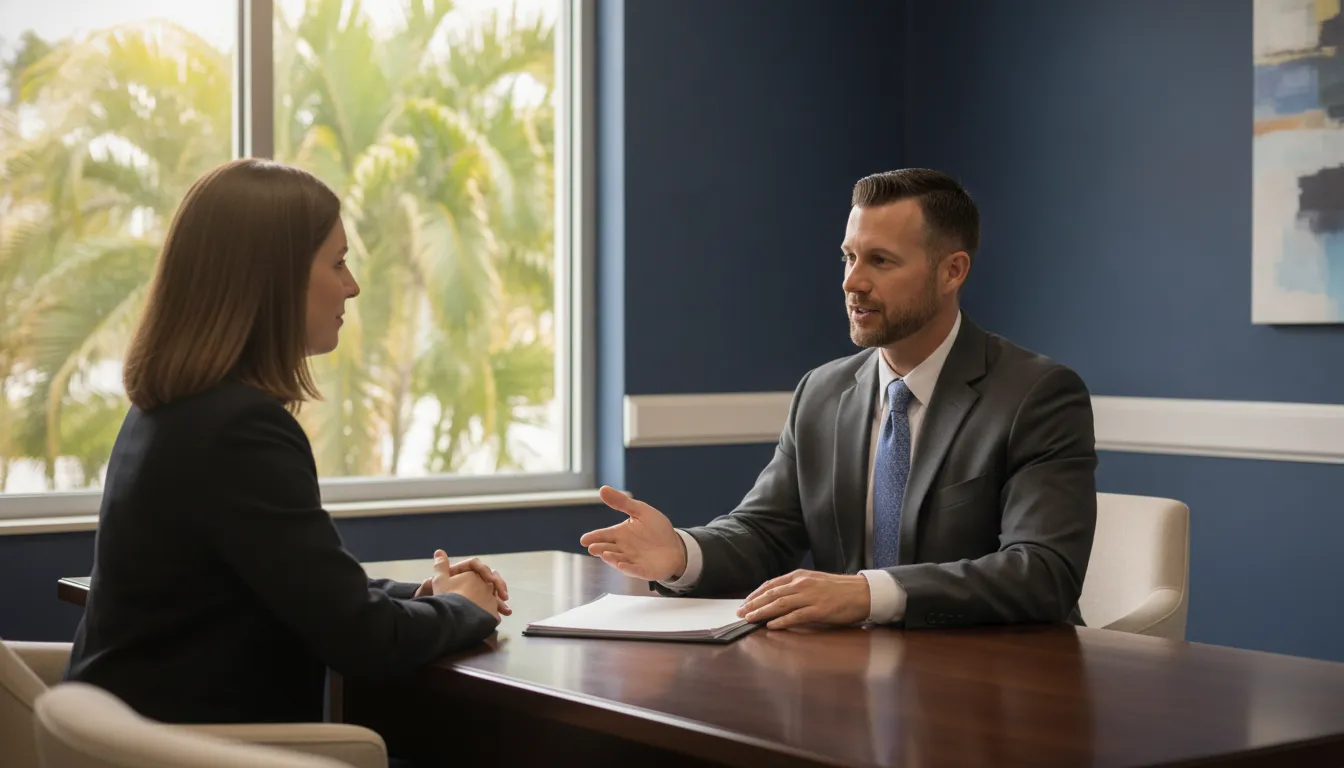
An injury can leave you dealing with pain, questions, and calls from insurers all at once. You do not have to solve the legal questions at the scene; focus first on immediate safety and the care you need.
Request a Free Case Evaluation
For a Florida personal injury attorney what to do after an injury, begin with safety, needed medical care, and basic records. The right next steps depend on what happened.
From a crash or fall to an injury at work or during medical care, the details differ, but a calm first response can help you protect your well-being. Here is how to approach those first moments in Florida.
What Should You Do Immediately After an Injury in Florida?
In the first hours after an injury, focus on safety and health. You do not need to solve the legal questions or gather every detail on your own. Take practical steps when you can, and ask someone you trust to help if pain, shock, or other symptoms make it difficult.
- Get to a safe place and seek medical care. If anyone may be seriously hurt, call emergency services. Follow medical guidance and explain what happened and where you feel pain. Do this even if symptoms seem manageable at first. Do not postpone necessary care to take photographs, collect names, or investigate. Keep the discharge papers, visit summaries, prescriptions, and follow-up instructions you receive.
- Report the event through the appropriate channel. A workplace, property, or other incident may have its own reporting process. Notify the responsible person or organization when it is safe. Keep a record of when and to whom you reported it. For a motor-vehicle crash, Florida's highway safety department requires notice to law enforcement in certain situations, including when someone is injured or killed. See the listed crash-reporting requirements. This reporting rule is specific to crashes; it should not be treated as a general rule for every kind of injury. See the Florida crash-reporting requirements.
- Write down what you remember. As soon as you are able, make a simple note of the date, approximate time, location, what happened, and who was present. Record the names and contact details of witnesses if you have them. Keep the account factual, and distinguish what you saw from what someone else told you. You do not have to question people or return to a potentially unsafe location to fill in gaps.
- Save records and communications. Keep incident reports, medical records, receipts, work or schedule records that show time missed, and messages related to the event. If you already have photographs or other materials, preserve the original files and note when they were created. Do not edit them to add explanations; keep any separate notes in your own record.
- Be careful with statements and forms. You may need to share basic information to obtain care or make a report. Before giving a detailed recorded account, signing a release, or agreeing to resolve a claim, take time to understand what the document or request covers. If you are unsure, ask for a copy and consider getting legal advice based on your circumstances.
These steps can help you keep an accurate record without adding pressure during a difficult moment. The details that matter will depend on how the injury occurred, so focus first on getting care and keeping the information you already have.
Which Accidents and Injuries May Lead to a Florida Claim?
An injury can happen in many settings, but the type of accident alone does not establish that another person or business is legally responsible. The circumstances, available evidence, and connection between someone's conduct and the harm all matter. A collision, fall, or medical complication may warrant questions about a claim, but it does not automatically mean there is one. Florida law recognizes different theories in negligence actions, including product liability and professional malpractice. These labels do not decide whether a claim can proceed.
Motor vehicle cases can involve cars, trucks, motorcycles, bicycles, or a person walking near traffic. A pedestrian may be hurt by a vehicle, while a driver or passenger may be injured in a multi-vehicle collision. The facts can include how the crash happened and the nature of the injuries. For a focused overview of immediate crash concerns, see what to do after a Florida crash.
A fall or other injury on property may raise premises-liability questions, such as whether a dangerous condition played a role. The details vary by location and event, so a brief description like "slip and fall" cannot resolve whether a claim is available. Learn more about a Florida premises liability claim.
Construction and other worksite injuries can involve more than one potential source of responsibility. A worker may have a workers' compensation issue, while some circumstances may also raise a question about another party's role. The relationship between the parties and the way the injury occurred need individual review. This guide to construction injury claim options discusses those distinctions.
Medical negligence concerns arise when a patient believes a health-care provider's care caused harm. These matters may involve specialized factual and legal issues, and an unexpected or poor medical outcome by itself does not prove negligence. The firm's focused guide covers Florida medical malpractice claim steps.
A product-related injury may prompt questions about whether a product's design, manufacture, or another aspect contributed to the harm. Florida's statute includes product-liability and professional-malpractice theories within its description of negligence actions. And separately describes product-liability actions by reference to damage caused by aspects such as a product's manufacture, construction, or design. Those statutory categories do not decide whether a person has a valid claim. The specific facts and applicable law matter. See Florida Statutes section 768.81.
When an injury results in a death, surviving family members may have questions about a wrongful-death claim. Florida's statute identifies funeral expenses and lost support and services among forms of economic damages. But that does not determine who may bring a claim or what recovery may be available. Eligibility and damages depend on the circumstances and governing law. Across all these settings, a careful review is more useful than assuming that an accident label supplies the answer.
What Should You Do With a Florida Personal Injury Attorney?
After an accident, you may not know whether your injury creates a legal claim, which records matter, or how to respond to an insurer. An attorney can help organize those questions and explain possible next steps. A review does not promise that a case can be brought or that compensation is available. It depends on the facts, evidence, injuries, and applicable law.
A lawyer may start by listening to what happened, reviewing available records, and identifying facts that still need to be confirmed. Florida law recognizes negligence actions that may be based on negligence, strict liability, product liability, professional malpractice, breach of warranty, and similar theories. The legal label alone does not settle the issue; the statute says the substance of the action matters. Whether any theory applies to a particular injury requires an individualized review of the facts. Florida Statutes section 768.81.
Assessing the facts and possible claim paths
An attorney may examine how the incident occurred and who may have responsibility. They may also look at evidence that connects the event to the injury. Depending on the situation, that could mean reviewing medical records, photographs, incident reports, witness accounts, or product information. The goal is to understand what evidence supports, what remains uncertain, and whether another investigation is needed. An injury by itself does not establish that another person or business is legally responsible.
The possible path varies by accident type. A collision, unsafe property, workplace incident, or suspected medical error may involve different records, responsible parties, and insurance questions. An attorney can help identify which issues deserve attention without assuming that every potential claim is available or treating one kind of accident as a template for another. The firm's Florida personal injury representation page describes its injury practice.
Preserving information and managing communications
Evidence can become harder to locate over time. Counsel may help gather and organize documents, request relevant records, identify witnesses, and consider whether important materials should be preserved. You can help by keeping copies of bills, medical instructions, correspondence, and any records you already have. Do not alter or discard relevant materials. If you are unsure whether something matters, ask before getting rid of it.
An attorney may also communicate with insurers on your behalf, review requests for information, and explain what a document or proposed resolution could mean. Before giving a recorded statement or signing a release, make sure you understand what is being requested and whether it could affect your options. The right response depends on the circumstances. A general rule may not be legal advice for your situation.
Representation should include clear explanations, not just decisions made for you. Ask what evidence supports a proposed approach and what remains uncertain. You should understand which choices belong to you. No lawyer can guarantee a result, and a case review may conclude that a claim is not viable. A careful evaluation helps you understand the available options before deciding what to do next.
What Florida Rules Can Affect Fault and Filing Deadlines?
Two issues can shape an injury claim before anyone reaches a courtroom: how long the law allows to file, and how responsibility for the injury is assigned. Both depend on the kind of claim and its facts. A date or fault estimate should not be treated as a final legal answer without reviewing the specific circumstances.
Deadlines depend on the type of claim
Under Florida's 2025 statute of limitations, an action founded on negligence is generally subject to a two-year filing period. The statute also contains different rules and exceptions, so the general period does not determine every injury case. A claim may involve a different legal theory or a special statutory process, and the facts can affect when a deadline begins or applies. Review the current text of Florida Statutes section 95.11 and get case-specific advice promptly.
Waiting can make it harder to investigate an incident, locate witnesses, or preserve records, even before a filing deadline passes. If you are unsure which deadline applies, do not assume that an insurance conversation, ongoing treatment, or an unresolved claim pauses the clock. Ask a Florida attorney to identify the potential deadline and any required steps as early as practical.
Comparative fault is not a universal 51 percent rule
Florida's comparative-fault law can reduce damages based on the claimant's share of responsibility. In covered negligence actions, a claimant found to be greater than 50 percent at fault generally cannot recover damages. The statute expressly excludes personal-injury and wrongful-death actions arising out of medical negligence from that greater-than-50-percent bar. The applicable rule should therefore be checked against the actual claim, not assumed from a general description of the 51 percent rule. See Florida Statutes section 768.81.
For claims to which the bar does not apply, a finding of fault does not necessarily end the case. The statute provides for damages to be reduced in proportion to the claimant's contributory fault. A dispute about whether someone acted carefully may affect the amount recoverable. It does not always eliminate a claim. How fault is determined depends on evidence, applicable law, and the legal claims involved.
Insurance companies may ask for a recorded statement or suggest that an injured person caused or contributed to an incident. An early opinion is not a court finding. The full context may matter. This includes what happened before the injury and whether other people or conditions contributed.
Preserve relevant documents and communications, and make a note of important dates while events are fresh. Then have a qualified Florida attorney review the possible claim type, filing deadline, and fault issues together. A brief legal review can clarify which rules may apply without relying on a deadline or fault summary intended for a different case.
How Do Evidence, Insurance, and Compensation Fit Together?
After an injury, a clear record can help explain what happened and how it affected your daily life. Keep copies of medical records and bills, receipts, work and income records, and communications with insurers. If you have photographs or other materials showing the incident or your injuries, preserve the originals and note when they were created. A simple timeline can track appointments, symptoms, missed work, and important conversations. It may help you recall details later. Do not guess or fill gaps in a record; identify what you know and what you are unsure about.
Keep documents together, whether in a physical folder or a secure digital location. Save copies of any forms or statements you submit, and make a note of when and to whom you sent them. If an insurer asks for information, read the request carefully. Keep a copy of your response. Insurance claims depend on the policy, the people involved, and the injury. Do not assume a policy will cover every expense or resolve every part of a claim.
Auto insurance benefits have specific conditions
For injuries involving a motor vehicle, Florida personal injury protection, or PIP, is one part of the insurance picture. The statute describes PIP benefits under qualifying policies, including medical and disability benefits subject to limits and other requirements. It provides for 80 percent of reasonable expenses for specified medically necessary services, but that is not a promise that every treatment or bill will be paid. The statute ties these medical benefits to receiving initial care within 14 days after the crash. Read the requirements in the Florida PIP statute, and keep records of care and insurer communications. PIP is specific to motor-vehicle coverage; it should not be treated as a general rule for falls, construction injuries, or other incidents.
Document losses without putting a value on your own claim
Florida law lists economic damages such as medical expenses, lost income, funeral expenses, lost support and services, and some property losses. Which categories may apply depends on the facts and the legal claim. Keep relevant bills, income records, and other supporting documents, but avoid treating a running total as a guaranteed recovery or settlement value. See Florida Statutes section 768.81.
| Record | May show |
|---|---|
| Medical summaries | Care received |
| Work records | Time missed |
| Photos | Observed conditions |
| Insurer letters | Requests and responses |
Good records do not decide liability or determine what an insurer will pay. They give people reviewing a claim a fuller account of the injury, treatment, and financial effects. Preserve what you have, update your notes, and ask an attorney how evidence and coverage relate to your situation.
When Should You Talk With a Personal Injury Attorney?
Consider getting legal guidance when an injury has disrupted your health, work, or daily life and you are unsure what to do next. It can be especially useful to speak with an attorney if the cause of the injury is disputed or more than one person may be involved. You may also want advice if an insurer asks for a recorded statement or asks you to sign a release. These circumstances do not automatically mean you have a claim. They are reasons to ask questions before making decisions that may affect your options.
Timing can matter. Records, photos, witness details, and other information may become harder to find as time passes. Florida law sets deadlines for filing many types of cases. Exceptions and specific rules depend on the claim. If you are considering a case, ask a lawyer to review the facts and identify any deadline that may apply. Do not rely on a general online summary. An early conversation can help you understand what information to preserve and which next steps are appropriate for your situation.
You may also want to speak with counsel if the injury requires ongoing care or its effect on your work is not clear. Counsel can also explain questions about insurance coverage and fault. A lawyer can explain what they need to evaluate the matter. They can also tell you whether the firm handles that type of case. For an overview of the firm's injury practice, see its Florida personal injury representation page.
Questions to ask before deciding
A first discussion should help you understand the proposed working relationship, not pressure you into a decision. Consider asking:
- What information would you need to assess my situation, and what remains uncertain?
- Who would be my main point of contact, and how will I receive updates?
- What work do you expect to do, and what decisions would require my approval?
- How are attorney fees handled, what case-related costs might arise, and who is responsible for them?
- What happens to costs if there is no recovery or I decide to end the representation?
Ask for the fee agreement and cost terms in writing, and take time to read them before signing. The Florida Bar advises clients to discuss anticipated charges and costs with their lawyer; written terms can help clarify how fees and expenses are treated. Read the Bar's guidance on attorneys' fees and clients' rights. Ask about any wording you do not understand, including whether expenses are treated separately from attorney fees. Do not assume that every firm uses the same arrangement.
You can compare answers from more than one lawyer if you need to. Focus on whether the explanation is clear, your questions are addressed, and the written agreement matches what you understood. A careful conversation can help you make an informed choice. You can also take time to consider your health and immediate needs.
Your Next Steps After a Florida Injury
Once immediate danger has passed, take the next steps at a pace that protects your health and preserves useful information. You do not need to solve every legal question on your own.
- Follow up on your health. Keep appointments and follow the care plan provided by your medical professionals. Tell them about symptoms and changes, even if they seem minor. Do not delay necessary treatment to gather evidence or speak with an insurer.
- Write down what you remember. Note when and where the injury happened, what you observed, who was present, and how your symptoms have changed. Keep the notes factual. Memories can become less precise with time.
- Save relevant records. Keep medical paperwork, receipts, work-absence records, photographs, and messages or letters from insurers in one place. Avoid altering original files, and make a note of where additional records may be found.
- Be careful with statements and documents. If an insurer or another party contacts you, record who reached out and what they requested. Read documents before signing, and consider getting legal advice if you are unsure what a statement or release covers. Do not guess when answering questions.
- Ask for a case-specific review. An attorney can assess the circumstances and possible sources of responsibility. They can review available documents and deadlines that may apply. The right approach depends on the facts and the type of injury. For a vehicle collision, see this guide to what to do after a Florida crash.
Before speaking with an attorney, gather the records you have and prepare a short timeline. Some details may be missing. Explain what you know and what you still need to confirm. Avoid posting sensitive details about the incident or your recovery publicly while questions remain. A careful review can help clarify practical options without assuming that every injury leads to a claim or a particular result.
Request a Free Case Evaluation
Frequently Asked Questions
What should I tell a Florida personal injury attorney?
Describe what happened in your own words, when and where it occurred. The injuries and care you have received, and how the injury has affected your daily life or work. Share what you know about witnesses, insurance communications, and relevant records. Be candid about facts that may complicate the claim, including uncertainty about what happened or your own possible role. If you do not know an answer, say so rather than guessing.
What is Florida's 51% rule for injury claims?
For most negligence actions, Florida law bars recovery if the injured person is found to be more than 50% at fault. If the person's share of fault is 50% or less, damages are reduced in proportion to that fault. The statute has an exception for personal injury or wrongful death medical negligence actions, so the rule should be reviewed in light of the specific claim. Florida Statutes section 768.81.
How long do I have to file a Florida personal injury lawsuit?
Florida's general limitations statute provides a two-year period for many negligence actions, but it includes exceptions and other claims may have different deadlines. The date the period starts can also depend on the circumstances. Do not assume that negotiations or an insurance claim extend a lawsuit deadline. Have an attorney review the applicable rule promptly. Florida Statutes section 95.11.
What should I avoid saying to an attorney?
You do not need to use legal terminology or present a perfect account. Avoid guessing, minimizing symptoms, or leaving out facts because they seem unfavorable; a complete and accurate account helps the attorney assess the situation. Ask for clarification if a question is unclear, and distinguish what you remember from what you have learned later.
Contact Us About Your Next Steps
After an injury, it can be difficult to know which details matter and what options may apply to your situation. A case-specific conversation can help you explain what happened and ask questions about possible next steps, without assuming what the outcome will be. To talk with the firm, Request a Free Case Evaluation.